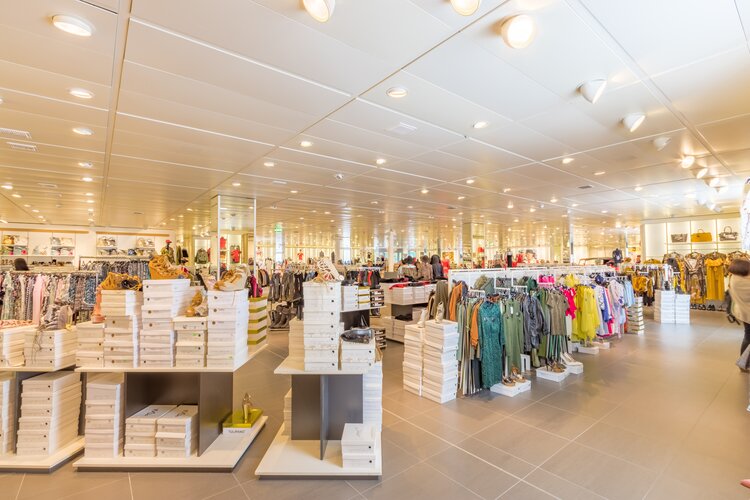
2020 will be remembered as the year everything paused from an unexpected and unprecedented pandemic. As a result, industries all over the world faced massive challenges - commercial real estate included. From intensifying consumer demands to economic hardships, it’s been a tough ride for CRE sectors such as office, retail, and restaurants.
With a company’s online presence being their primary imprint on the industry right now, there’s no room for error. Following the massive online integration of businesses as a result of the pandemic, an e-brand is everything. It’s the way that prospects get introduced to you, competitors gauge you, and the community interacts with you.
Building owners, specifiers, architects, and consultants have become concerned about protecting their investments by following the latest building codes. The International Building Code adopts standards that are based on studies of winds and the research of the damage that has occurred. This standard, developed by the American Society of Civil Engineers (ASCE) for determining the structural soundness, is referenced as ASCE 7.
Technology is always pushing commercial real estate beyond the boundaries of what’s considered possible and probable. And right now, these tech-powered miracles are needed more than ever.
The coronavirus pandemic has affected every industry segment in some way or another, and the real estate market is no exception. At the height of the pandemic in April, apartment retention hit an all-time high in the United States, with the overwhelming majority of American renters being either unable or unwilling to move or relocate.
These certainly are unprecedented times. The coronavirus pandemic continues to impact the lives of millions of Americans, and no one is quite sure just when things will get back to normal (if they ever do, that is).
As the coronavirus pandemic continues to affect and even disrupt the lives of millions of Americans, retailers are working overtime to understand what changes will need to be implemented once the pandemic subsides and stores are open for business as usual.
The fact is, the details of online shopping is changing day by day as consumers adapt, experiment, and make things work within the safety limitations of the moment. Even so, the data doesn’t lie, and it’s giving experts the chance to predict what’s on the radar for e-commerce and consumer behavior on the other side of COVID-19.
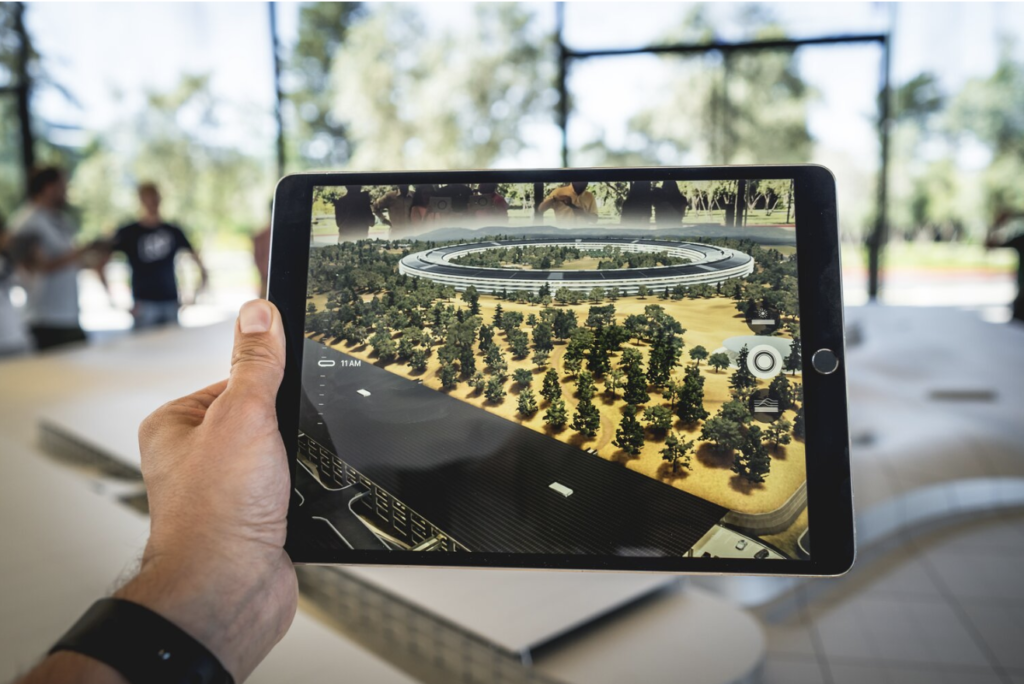
VR is undoubtedly the hero of the moment, establishing the most realistic and interactive connections between agents, clients, and listed properties. Amid this pandemic, virtual reality integrations within commercial real estate have gone from a luxury to a necessity - where it’s set to stay.
The coronavirus pandemic has teams out of the office for now - but will the transition to working from home last? This has been a pressing question on the industry’s mind as everyone is wondering how the global telework orders will impact CRE’s office sector down the line.
NEW YORK—The Coronavirus has impacted global property markets around the world, with the greatest disruptions in the resort and hospitality sectors, retail real estate, commercial office and to a lesser extent, industrial properties. As the US moves to reopen its economy, it is instrumental to see how commercial real estate sectors across Asia have fared to date.
All the lessons that we’re learning during COVID-19’s unprecedented circumstances won’t be long forgotten. The massive amounts of new data, analytics, and possibilities that are coming into play are set to transform the way grocery stores operate forever.
Connect with our experts to discuss your properties and explore strategies to optimize long-term value.
Going to ICSC Las Vegas? Make every moment count—schedule a meeting to connect with the right people to grow your business here.
Thank you for your interest.
To find out more about NAI Global’s membership, please tell us a little bit about yourself.