
Commercial Property Maintenance Explained: Services, Schedules and Cost Control
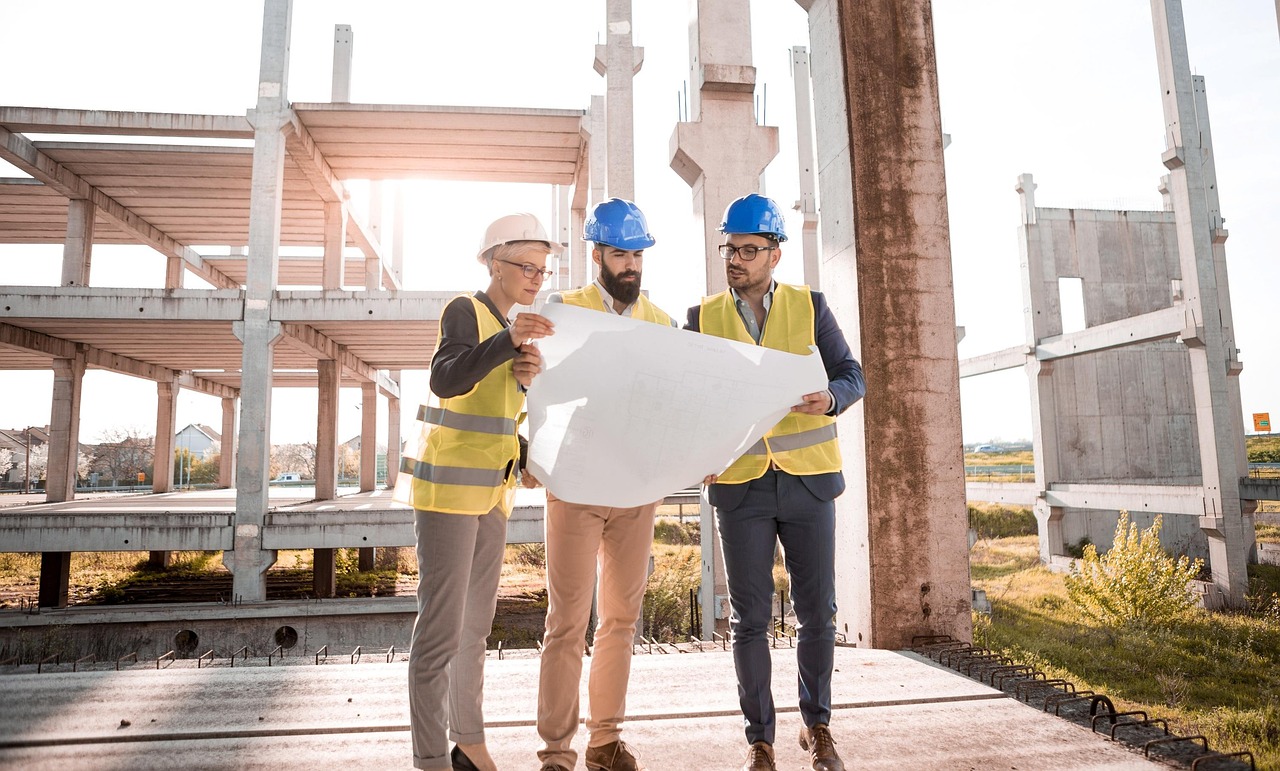
Commercial property maintenance covers a wide range of systems, services and routines that keep a building operating day to day. In a commercial real estate context, it includes both the physical upkeep of the property and the processes used to manage that work over time.
For owners and investors, maintenance is not a single task but an ongoing program. How that program is structured can influence how efficiently a building operates, how often issues arise and how predictable operating costs are over time. It also affects how quickly issues are identified, how consistently vendors are managed and whether minor repairs are resolved before they become more expensive problems.
What is commercial property maintenance in a real estate context?
Commercial property maintenance refers to the coordination of building systems, infrastructure and shared spaces to ensure a property remains functional, safe and usable.
In practice, this includes preventive maintenance, corrective repairs, inspections, janitorial services, exterior upkeep, life-safety systems and tenant-facing service requests. These activities are often managed together as part of a broader maintenance program that supports the daily operation of the building. When that program is structured well, it becomes easier to spot delayed maintenance, coordinate work across vendors and keep service activity aligned with the needs of the asset.
When these elements are coordinated effectively, maintenance becomes more predictable. Issues are identified earlier, work can be planned more efficiently and the likelihood of unexpected repairs is reduced.
Click here to learn more about how commercial real estate property management works.
What services are included in commercial property maintenance?
Commercial property maintenance spans a range of service areas across the building. This typically includes HVAC systems, plumbing, electrical infrastructure, roofing, fire and life-safety systems, grounds, parking areas and common area upkeep.
Each of these systems requires regular attention to perform reliably. When maintenance is handled consistently across these areas, buildings tend to operate more smoothly and with fewer disruptions. When it is inconsistent, problems are more likely to occur, often requiring more urgent and costly repairs.
Why is commercial property maintenance important?
Maintenance plays a practical role in how a property performs over time. Buildings that are maintained consistently tend to experience fewer unexpected issues, more stable operating conditions and lower exposure to emergency repair costs. It also helps owners avoid hidden operating costs that can build up when service requests are handled inconsistently or smaller issues go unnoticed for too long.
It also supports tenant satisfaction, helps protect asset value, and contributes to code compliance by ensuring critical systems are inspected and maintained as required. For many properties, that combination of responsiveness, oversight, and compliance supports both day to day building performance and longer-term asset protection.
When maintenance is deferred, smaller issues can develop into larger problems. Equipment may fail earlier than expected, and repairs may need to be handled on shorter timelines. This can make costs less predictable and more difficult to manage.
A structured maintenance approach helps reduce that uncertainty by creating a more consistent pattern of work and oversight.
What is the difference between preventive and reactive maintenance?
Commercial property maintenance generally includes both preventive and reactive work.
Preventive maintenance involves scheduled inspections and servicing intended to reduce the likelihood of system failure. Reactive maintenance involves responding to issues after they occur.
While both are necessary, preventive maintenance allows more work to be planned in advance. This can reduce the frequency of urgent repairs, support better coordination of vendors and help avoid situations where costs escalate due to timing or severity of the issue. Over time, preventive programs are generally more cost-effective because they help extend equipment life and reduce the need for more expensive emergency work. It also creates more room to define scope clearly and manage service activity before repair decisions become rushed.
How are commercial property maintenance schedules structured?
Most commercial properties follow a structured maintenance schedule that includes daily, weekly, monthly, quarterly and annual tasks.
Daily work may include janitorial services, monitoring building systems and responding to tenant requests. Weekly and monthly work often involves inspections, minor repairs, lighting checks and routine exterior upkeep. Quarterly and annual work typically focuses on major systems such as HVAC servicing, life-safety testing, roof inspections and more detailed preventive maintenance.
This structured approach helps ensure that work is completed consistently. It also supports planning, making it easier to anticipate upcoming maintenance needs and align them with operating budgets.
How does maintenance planning and documentation support operations?
Maintenance planning depends on clear documentation and coordination. Service records, inspection logs, maintenance logs, work orders, vendor schedules and repair histories all contribute to how maintenance is managed over time.
These records provide visibility into building performance and help identify patterns that may not be obvious in day-to-day operations. Over time, this can support more informed decisions around repairs, replacements, budgeting and capital planning. They can also make it easier to compare service proposals, define scopes of work more clearly and support better timing around capital repairs.
Better documentation also supports cost control by reducing uncertainty. When maintenance history is clear, it becomes easier to plan work, avoid duplication and manage vendor activity more effectively. That level of visibility can help owners control avoidable spend and reduce the risk of missed repairs becoming larger capital issues later.
What technology is used in commercial property maintenance?
Technology is increasingly used to manage maintenance programs across commercial properties. Systems such as computerized maintenance management platforms, work order tools, building sensors and predictive analytics tools help track activity and monitor performance.
These tools allow maintenance teams to organize schedules, respond more quickly to issues and maintain more consistent records. In some cases, they can also provide early indicators of potential system issues before a failure occurs.
This added visibility can support more efficient maintenance planning, faster response times and a lower likelihood of unexpected disruptions.
How does commercial property maintenance affect tenant satisfaction?
Maintenance is one of the most visible aspects of property operations from a tenant perspective. Reliable systems, clean common areas and responsive service all contribute to how tenants experience a building.
When maintenance is handled consistently, tenants are less likely to experience disruptions. When issues are addressed quickly, it can also reduce the impact on tenant operations.
Over time, this consistency can support stronger tenant relationships and reduce the likelihood of turnover. For owners, that responsiveness can also support renewal conversations by reducing friction in the day to day tenant experience.
How does commercial property maintenance protect asset value?
Commercial property maintenance influences how a building performs over time by supporting system reliability and overall condition.
When maintenance is consistent, systems tend to last longer and perform more reliably. When it is inconsistent, wear can increase and repairs may become more frequent.
For owners, this affects building condition but also how costs are distributed over time. A structured approach helps shift maintenance from unpredictable repairs toward more planned and manageable work, which helps protect long-term asset value. It also supports more informed capital planning by giving owners a clearer view of when systems may need repair, replacement or added attention.

How does property management support maintenance and help control costs?
Property management plays a central role in organizing maintenance programs. This includes setting schedules, coordinating vendors, tracking work, maintaining oversight across building systems and helping owners plan budgets around ongoing maintenance needs. It can also include tighter oversight of service scopes, bid review and repair planning so work is approached with more consistency from issue identification through completion.
With a structured approach, maintenance can be planned more effectively. Issues are more likely to be identified earlier, vendor work can be coordinated more efficiently and service levels can be monitored more consistently.
This level of coordination can help reduce unnecessary spending, limit emergency repairs and support more predictable operating costs. It can also help reduce delayed maintenance, improve accountability around vendor performance and bring more discipline to how repair dollars are spent.
NAI Global Property Management provides these services through a network of locally owned firms supported by shared standards and best practices. This model combines local market knowledge with a consistent approach to maintenance and operations.
For owners and investors, this approach helps bring greater consistency to maintenance programs while supporting more controlled and predictable cost management.
FAQ: Commercial Property Maintenance
What is commercial property maintenance?
Commercial property maintenance is the ongoing care and coordination of building systems and shared spaces to ensure a property operates efficiently.
What services are included in commercial property maintenance?
It typically includes HVAC, plumbing, electrical systems, roofing, life-safety systems, janitorial services, exterior upkeep, grounds, parking areas and common area maintenance.
Why is preventive maintenance important for commercial buildings?
Preventive maintenance helps identify issues early, reduce system failures, lower emergency repair costs and support more predictable maintenance planning.
How often should commercial properties be inspected and maintained?
Most properties follow daily, weekly, monthly, quarterly and annual maintenance schedules depending on the building and its systems.
What is the difference between preventive and reactive maintenance?
Preventive maintenance is scheduled in advance, while reactive maintenance occurs after an issue arises.
How does property maintenance affect tenant satisfaction?
Consistent maintenance supports reliable building operations, cleaner environments and fewer disruptions for tenants.
How does commercial property maintenance protect asset value?
It helps maintain building condition, supports system reliability and reduces the likelihood of larger repair costs over time.
What technology helps manage commercial property maintenance?
Maintenance systems, sensors, and predictive analytics tools help organize, track and improve maintenance operations.